 345 W Ogden Ave Westmont, IL 60559


Common Misconceptions About Oral Health and Dental Care
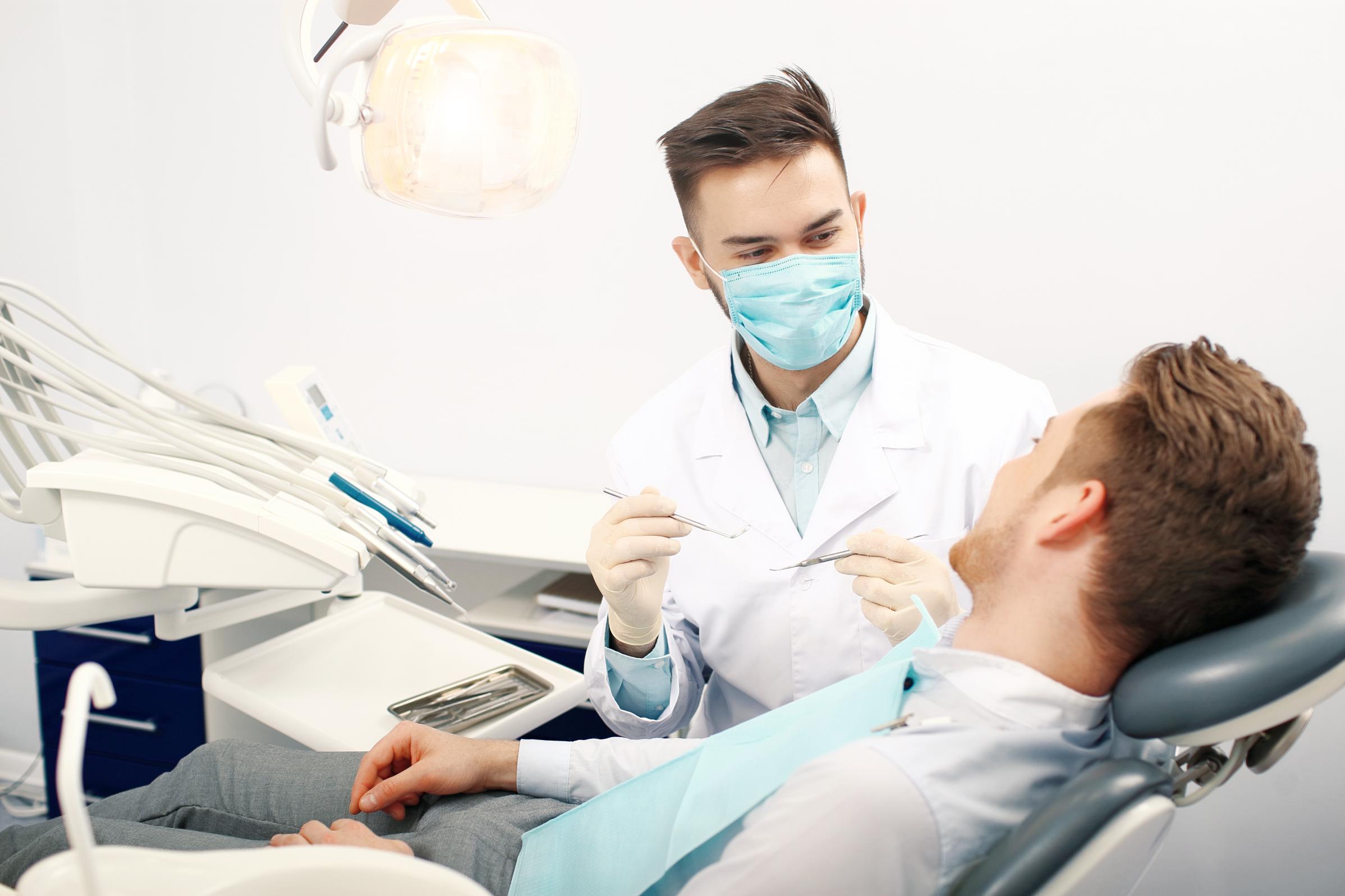
Living in Westmont means balancing work, school, commuting, errands, and family schedules, which can make dental care easy to postpone when nothing hurts. Unfortunately, some of the most common beliefs about teeth and gums can make people wait longer than they should or focus on the wrong habits.
The good news is that many oral health misconceptions are easy to clear up once you understand what actually protects your teeth and gums.
Quick answer: Good oral health involves more than brushing when your teeth feel dirty or visiting a dentist only when something hurts. Cavities, gum problems, enamel wear, and other dental concerns may develop before obvious symptoms appear. Consistent home care, appropriate professional cleanings and exams, and early attention to changes are generally more useful than waiting for discomfort.
What local readers should know
-
Teeth that look white can still have cavities, gum problems, cracks, or other concerns that are not obvious at home.
-
Residents throughout Westmont and nearby DuPage County communities can benefit from maintaining regular dental care even when their mouths feel healthy.
-
Brushing harder does not necessarily clean teeth better and can be unnecessarily aggressive on teeth and gums.
-
Bleeding gums should not automatically be dismissed as a normal part of brushing or flossing.
-
Busy schedules along Ogden Avenue, Cass Avenue, and the surrounding commuter corridors are understandable, but a lack of pain is not a reliable reason to postpone dental care.
Why Oral Health Misconceptions Matter in Westmont
Oral health misconceptions matter in Westmont because they can encourage residents to delay preventive care or overlook changes that deserve professional attention. For people managing family schedules, school activities, or a daily commute from the Westmont Metra station, it can be tempting to address dental problems only after they become uncomfortable.
Westmont sits in southeastern DuPage County near Oak Brook, Clarendon Hills, Darien, and Downers Grove. The Village of Westmont describes the community as a blend of older housing, newer subdivisions, apartments, and a long-established commuter population.
Those local characteristics do not create dental disease, but they do reflect the variety of schedules and lifestyles among area residents. Building a practical oral care routine that fits everyday life is usually more sustainable than relying on occasional efforts after a problem appears.
At Celebrity Smiles, we believe understanding what dental care can and cannot do helps patients make more informed decisions about their oral health.
What Dental Professionals Commonly Observe
Dental professionals commonly find that what patients feel or see at home does not always reveal the full condition of their teeth and gums. A tooth can feel normal while a dentist identifies an area that needs monitoring, and gum problems can begin without severe discomfort.
Routine dental examinations are designed to look for concerns that may not be obvious in a bathroom mirror. Depending on a patient’s needs, an evaluation may include checking the teeth, gums, bite, existing dental work, and other areas of the mouth.
For local patients, the practical lesson is simple: feeling fine is encouraging, but it should not be the only measure of oral health.
Myth 1: If My Teeth Do Not Hurt, They Must Be Healthy
A lack of tooth pain does not necessarily mean your teeth and gums are completely healthy. Some dental conditions can develop gradually and may not cause noticeable discomfort in their early stages.
Pain is one reason to contact a dentist, but it is not the only one. Changes such as sensitivity, bleeding gums, persistent bad breath, chipped teeth, swelling, or changes around existing dental work may also deserve attention.
For someone commuting between Westmont and Chicago or managing a busy family routine in DuPage County, waiting for severe symptoms may seem convenient. Preventive visits offer an opportunity to identify concerns before discomfort becomes the reason for scheduling an appointment.
Myth 2: Brushing Harder Cleans Teeth Better
Brushing harder does not automatically remove more plaque, and excessive pressure can be unnecessarily harsh on teeth and gums. Effective brushing depends more on consistent technique, appropriate brushing time, and reaching the surfaces of each tooth than on force.
A common mistake is assuming that a firm scrubbing motion produces a cleaner mouth. Instead, use controlled movements and follow the recommendations your dental professional gives you for your toothbrush and individual needs.
Whether you live near downtown Westmont, Ogden Avenue, or one of the residential areas north or south of the village center, a simple routine performed consistently is more useful than aggressive brushing performed occasionally.
Myth 3: Bleeding Gums Are Normal When You Floss
Bleeding gums should not simply be accepted as normal, especially when bleeding happens repeatedly. Gum irritation can have several causes, and persistent bleeding is worth discussing with a dental professional.
Some people stop flossing completely after seeing blood because they assume floss caused the problem. Others ignore the bleeding for months. Neither approach addresses why the gums are bleeding.
Continue following appropriate oral hygiene guidance, but contact your dentist if bleeding persists, worsens, or occurs along with swelling, tenderness, or other changes.
Myth 4: White Teeth Are Automatically Healthy Teeth
White teeth are not automatically healthy teeth because color alone does not show whether cavities, gum concerns, cracks, or other problems are present. Tooth shade varies naturally, and cosmetic appearance is only one aspect of oral health.
A bright smile can look attractive while still requiring preventive or restorative attention. Likewise, naturally darker or more yellow-toned teeth are not automatically unhealthy.
Patients interested in improving tooth color should first understand the condition of their teeth and gums. Our goal is to help patients distinguish between cosmetic goals and oral health needs so they can make informed choices.
Myth 5: Sugar Is the Only Cause of Cavities
Sugar can contribute to cavity development, but preventing cavities involves more than simply avoiding sweets. Eating and drinking patterns, oral hygiene, fluoride exposure, individual risk factors, and how frequently teeth are exposed to certain carbohydrates and acids can all matter.
For example, slowly sipping sweetened beverages over a long commute or regularly snacking throughout the day can repeatedly expose the teeth to conditions that promote decay.
Westmont residents traveling along I-355, I-294, or the local Metra line may spend significant time away from home. Keeping water available and maintaining a consistent morning and evening oral hygiene routine can make good habits easier to sustain.
Myth 6: Baby Teeth Do Not Matter Because They Fall Out
Baby teeth matter because they help children eat, speak, and maintain space as their mouths develop. A tooth being temporary does not mean problems involving that tooth should automatically be ignored.
Parents should help children establish age-appropriate brushing habits and follow professional recommendations for dental visits. Early experiences with dental care can also help children become more familiar with the dental office and routine preventive care.
Families in Westmont, Downers Grove, Darien, and nearby communities can make oral care easier by connecting brushing and flossing with established routines such as getting ready for school and preparing for bed.
Myth 7: Flossing Is Optional if You Brush Well
Brushing alone does not clean every surface between neighboring teeth, which is why interdental cleaning may be an important part of a complete oral hygiene routine. A toothbrush is effective for many exposed tooth surfaces, but tight spaces between teeth require additional attention.
Traditional dental floss is one option, but individual needs differ. Patients with bridges, braces, implants, larger spaces, or difficulty handling floss may be advised to use another type of interdental cleaning aid.
If you are unsure what works best for your mouth, ask for a demonstration during your next dental visit rather than abandoning the habit because one method feels difficult.
Warning Signs That Should Not Be Dismissed
Dental warning signs deserve attention when they persist, worsen, or represent a noticeable change from what is normal for you. Pain is one warning sign, but several other changes can provide useful clues that it is time to schedule an evaluation.
Watch for:
-
Tooth sensitivity that is new or becoming more noticeable.
-
Gums that frequently bleed during brushing or flossing.
-
Persistent bad breath despite normal oral hygiene.
-
Swollen, tender, or visibly changing gums.
-
A chipped, cracked, loose, or damaged tooth.
-
Discomfort while chewing or biting.
-
Changes around a filling, crown, bridge, denture, or other dental work.
-
Mouth sores or unusual changes that do not resolve as expected.
Symptoms can have different causes, so an examination is more reliable than trying to diagnose the problem yourself.
When Should You Call a Dentist?
You should call a dentist when you notice persistent pain, swelling, bleeding, damage, sensitivity, or another oral change that concerns you. Routine preventive appointments are also valuable even when you do not have symptoms, because not every dental problem announces itself with pain.
Minor day-to-day changes can sometimes be monitored, but significant swelling, trauma, severe discomfort, or rapidly worsening symptoms should not be unnecessarily delayed.
For residents traveling between Westmont and surrounding DuPage County communities, arranging an appointment before a manageable concern becomes more disruptive can simplify treatment decisions and reduce uncertainty.
Practical Ways to Protect Your Oral Health
Protecting your oral health starts with a consistent daily routine and appropriate professional preventive care. Complicated routines are not necessarily better than habits you can realistically maintain every morning and evening.
Brush thoroughly using appropriate technique, clean between the teeth as recommended, and pay attention to changes in your mouth. Replace worn oral hygiene products when needed and avoid using excessive brushing pressure.
Parents can supervise younger children until they are able to clean their teeth effectively on their own. Adults with dental restorations, orthodontic appliances, implants, or specific gum concerns may need individualized instructions.
A routine that fits your actual schedule is more likely to last through busy school mornings, workdays, and commutes throughout the western suburbs.
Common Dental Care Mistakes and Better Approaches
The most common dental care mistakes involve waiting for symptoms, using excessive force, or assuming appearance tells the whole story. Replacing those habits with consistent preventive care can provide a clearer picture of your oral health.
Mistake: Waiting until a tooth hurts.
Consequence: A developing concern may go unnoticed for longer.
Better approach: Maintain appropriate preventive visits and report unusual changes.
Mistake: Scrubbing aggressively with a toothbrush.
Consequence: More force does not necessarily mean better cleaning.
Better approach: Focus on careful technique and professional brushing guidance.
Mistake: Assuming white teeth mean healthy teeth.
Consequence: Cosmetic appearance can distract from other dental needs.
Better approach: Evaluate oral health and cosmetic goals separately.
Mistake: Giving up on flossing because it feels difficult.
Consequence: Areas between the teeth may receive less attention.
Better approach: Ask about flossing technique or alternative interdental cleaning methods.
A Common Local Scenario
A common local scenario is a busy resident postponing an exam because nothing hurts, only to become concerned after noticing sensitivity or bleeding gums. Work commitments, school pickups, errands along Cass Avenue, and commuting can make preventive appointments feel easy to move to the bottom of the calendar.
The better approach is not to assume that every symptom signals a serious problem. It is to have unexplained or persistent changes evaluated rather than relying on guesswork.
How Professional Dental Care Supports Your Routine
Professional dental care supports home care by helping identify concerns, remove deposits that home cleaning may not address, and provide recommendations based on your individual mouth. Dental visits and home hygiene serve different purposes, so one should not be viewed as a replacement for the other.
Depending on your needs, dental care may include preventive examinations, professional cleanings, restorative treatment, cosmetic options, or other services recommended after an evaluation.
At-Home Care vs. Professional Dental Care
At-home care and professional dental care work best as complementary parts of an oral health routine rather than competing alternatives. Daily brushing and interdental cleaning provide ongoing maintenance, while professional evaluations help assess areas you cannot easily examine yourself.
Home care is appropriate for routine cleaning and monitoring everyday changes. Professional care becomes especially important when symptoms persist, dental work is damaged, or you need an individualized diagnosis or treatment recommendation.
Dental Care in Westmont and Nearby Communities
Dental care in Westmont can conveniently serve residents who live, work, or travel throughout southeastern DuPage County. The village is bordered by Oak Brook, Clarendon Hills, Darien, and Downers Grove, creating a closely connected local community.
For area residents, choosing a dental routine that works with everyday travel and family schedules can make preventive care easier to maintain.
What Can Happen When Dental Problems Are Ignored?
Ignoring a dental problem can allow an untreated concern to progress, although the outcome depends on the underlying condition. Waiting solely because pain is mild or absent can make it harder to know whether a problem is stable or changing.
Instead of assuming a symptom will disappear, pay attention to its duration and severity. An evaluation can help determine whether treatment is needed or whether the area simply requires monitoring.
Frequently Asked Questions About Oral Health
Can I have a cavity even if my tooth does not hurt?
Yes, a cavity can be present without causing obvious pain. Symptoms vary, which is one reason dental professionals do not rely on pain alone when evaluating teeth. Routine examinations may help identify areas that require monitoring or treatment before a patient notices significant discomfort.
How often should I visit a dentist in Westmont?
The appropriate dental visit schedule depends on your individual oral health needs and your dentist’s recommendations. Some patients require different preventive schedules because of their dental history, gum health, restorations, or other risk factors. A dentist can recommend an interval after evaluating your teeth and gums.
Are bleeding gums normal for Westmont residents during dry Illinois winters?
Persistent bleeding gums should not automatically be blamed on seasonal conditions. Illinois winters can change indoor humidity and personal routines, but recurring gum bleeding may have several possible causes. If the bleeding continues despite appropriate oral hygiene, a dental evaluation can help determine what is happening.
Is brushing twice a day enough if I never floss?
Brushing is essential, but a toothbrush may not effectively clean tight spaces between neighboring teeth. Interdental cleaning can help address those areas. If traditional floss is difficult to use, ask your dental professional whether another cleaning method may be appropriate for your teeth and dental work.
Does everyone in DuPage County need the same type of dental care?
No, dental care should be based on the individual’s oral health rather than where the person lives. Two patients from the same DuPage County household may have different dental histories, restorations, gum conditions, cosmetic goals, and preventive needs. Personalized recommendations are more useful than a one-size-fits-all routine.
Should I whiten my teeth before having a dental examination?
It is usually helpful to understand the health of your teeth and gums before making cosmetic decisions. Tooth discoloration can have different causes, and whitening may not affect every type of discoloration or dental restoration in the same way. An evaluation can help clarify appropriate cosmetic options.
Should Westmont parents worry about cavities in baby teeth?
Yes, problems involving baby teeth deserve appropriate attention even though those teeth will eventually be replaced. Primary teeth help children chew, speak, and maintain space during development. Parents who notice pain, visible damage, swelling, or other changes should contact a dental professional rather than assuming the tooth can simply be ignored.
When should I contact a dentist about tooth sensitivity?
Contact a dentist when sensitivity is persistent, worsening, severe, or represents a noticeable change for you. Sensitivity can have multiple causes, so relying on an online explanation or over-the-counter product alone may not identify the source. A dental examination can help determine what deserves treatment or monitoring.
Make Informed Choices About Your Smile
Understanding common dental misconceptions can make everyday oral care much simpler. For people throughout Westmont and nearby DuPage County communities, the goal is not to worry about every small change. It is to build consistent habits, recognize meaningful warning signs, and seek professional guidance when something does not seem right.
Protect Your Smile With Clear, Personalized Dental Guidance
Your oral health deserves recommendations based on your actual teeth and gums, not common myths or assumptions. Our team can help you better understand your dental needs and available care options.